Insights
Pest control is a building-envelope problem
The industry still sells chemistry. Buildings fail at joints, penetrations, and grade. That is where the work is.
Framework Pest · PMP® · M.Sc. Architecture · 2026-03-12 · 7 min
Conventional pest control is organized around species: mice, wasps, ants, cockroaches. The technician arrives, identifies what is visible, and applies a product labeled for that organism. The invoice says the problem was treated. A season later, it is treated again.
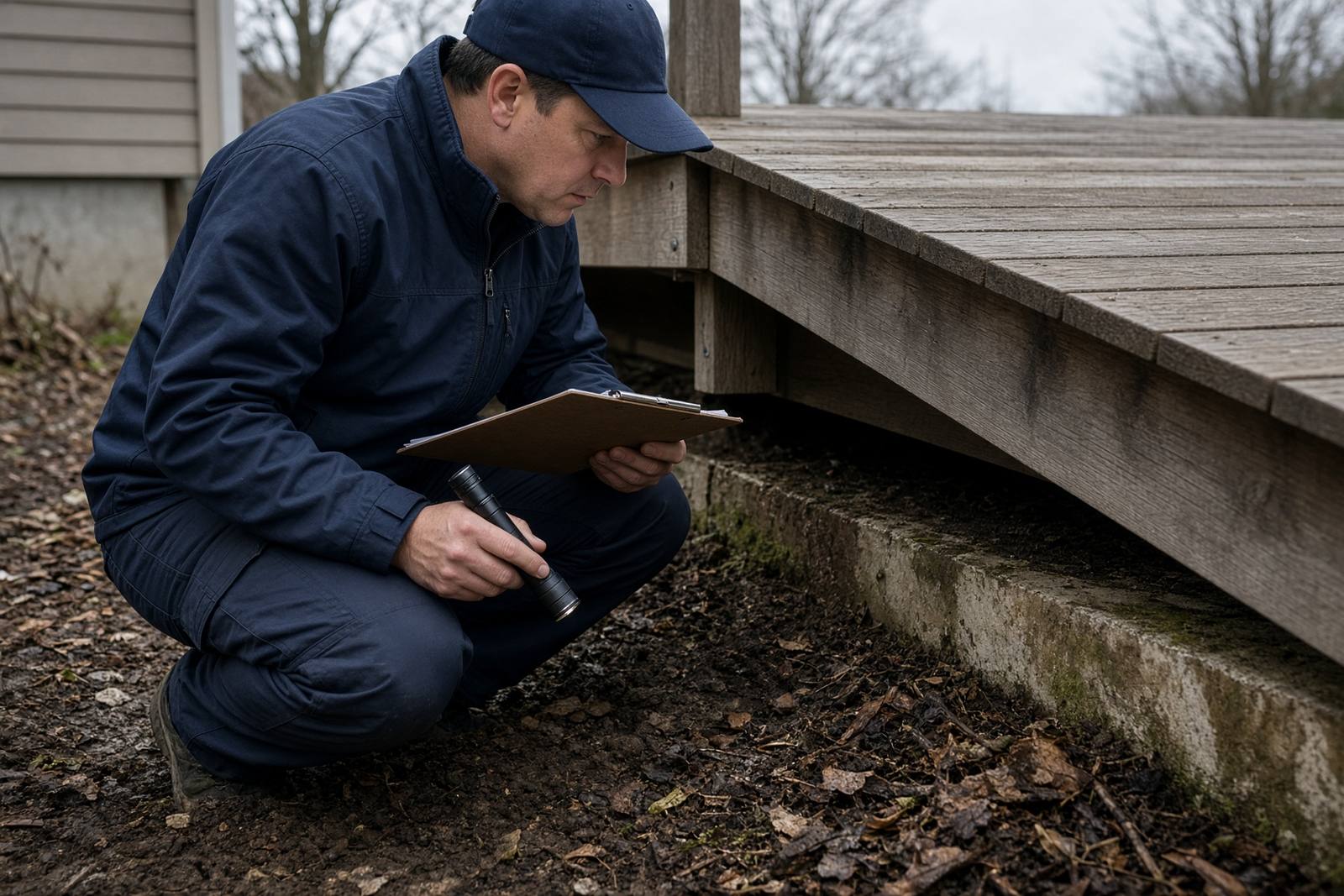
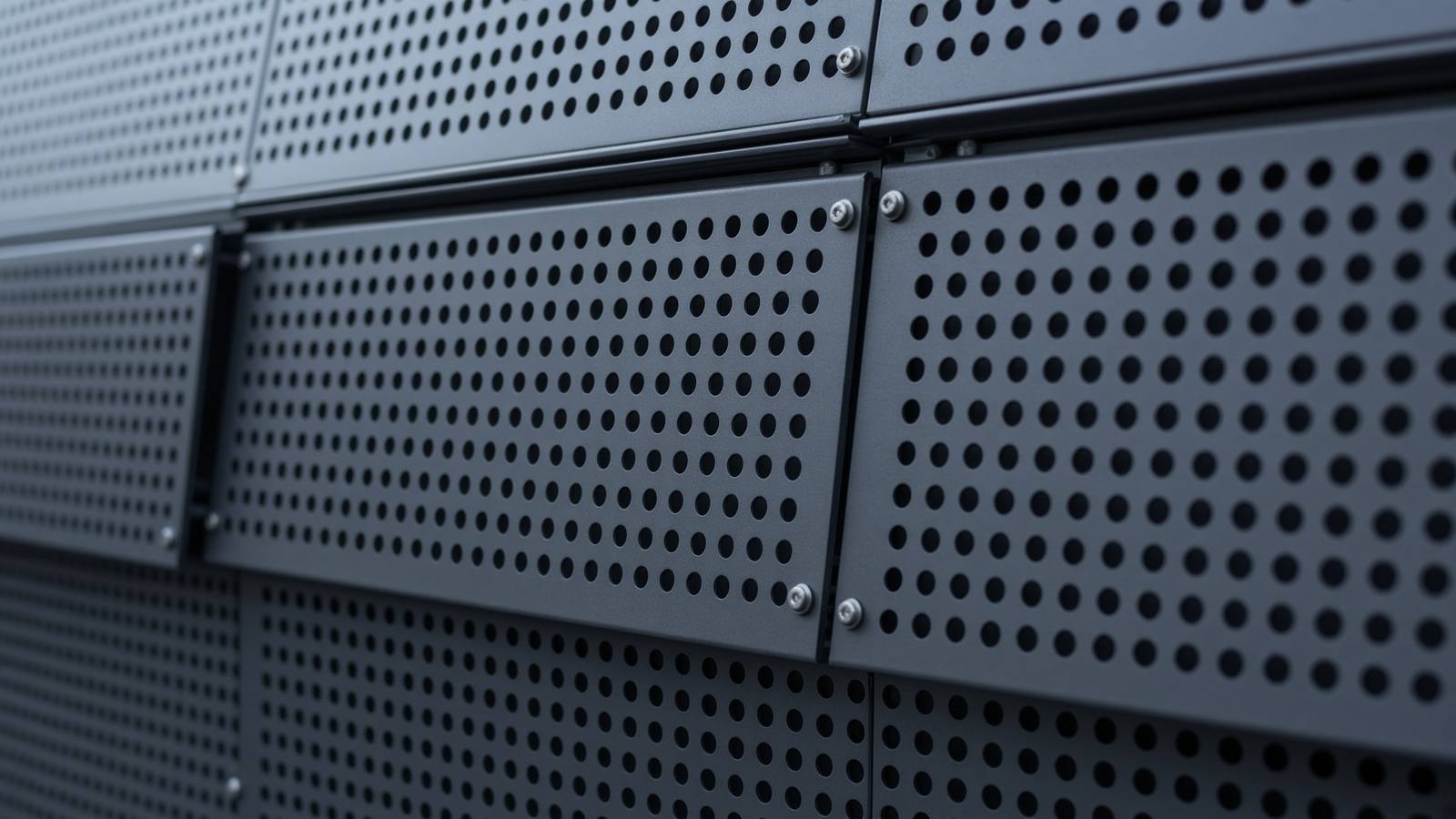
Framework Pest starts from a different unit of analysis: the building. Pests do not materialize in rooms. They exploit the same openings that leak air, water, and heat — the unsealed pipe sleeve, the dock leveler gap, the decorative screen that was never meshed, the weeps that were never baffled. In envelope language, these are discontinuities. In pest language, they are doors.
Calgary makes this especially legible. Freeze-thaw opens hairline joints. Chinook cycling moves snowmelt into assemblies and then dries them. New rain-screen cladding looks tight from the street and remains hollow behind. Mice do not need a philosophy. They need a 6 mm gap and a warm void.
Treating the organism without treating the assembly is a decision to rent relief. Structural exclusion — metal, mesh, hardware, sealant systems chosen for movement and UV — is a decision to own the outcome. Chemistry still has a place, the way a surgeon has sutures. It is not the diagnosis, and it is not the building.
This is why our assessments look like envelope surveys. Thermal cameras, moisture meters, and a walk of every penetration are not theatrics. They are how you find the pathway that the last three spray visits never had a chance to close.